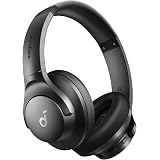
The performance of high-fidelity AirPods Max replicas, as recently showcased, can be surprisingly impressive, challenging preconceptions about the quality of non-genuine audio devices. This phenomenon, where counterfeit products achieve a remarkable level of functionality, demands a deeper analytical look into the underlying manufacturing capabilities and the consumer market dynamics at play. The video above provides a compelling initial demonstration of such a replica, highlighting its uncanny resemblance and functional capabilities, particularly concerning crucial features like spatial audio and active noise cancellation (ANC).
The Evolution of Premium Audio Device Replicas
The market for replica consumer electronics, particularly in the premium audio segment, has undergone a significant transformation. Historically, counterfeit products were easily identifiable by their inferior build quality and severely compromised performance. However, recent advancements in manufacturing processes and reverse engineering techniques have enabled some third-party manufacturers to produce replicas that not only mimic the aesthetic design but also replicate core functionalities to a surprisingly effective degree.
This development is often attributed to several factors. Firstly, the increased globalization of supply chains means that original equipment manufacturers (OEMs) often source components and utilize factories in regions where intellectual property protection may be less stringent. This can lead to the proliferation of component designs or even entire manufacturing lines being used for unauthorized production. Secondly, the rapid evolution of technology, combined with widely available componentry, allows skilled engineers to deconstruct and emulate complex systems like those found in high-end headphones.
For example, the proliferation of sophisticated chipsets capable of handling advanced audio processing, once exclusive to tier-one brands, is now more accessible. This democratization of technology enables the integration of features such as effective active noise cancellation and simulated spatial audio into devices that retail at a fraction of the original’s cost. The drive for market share in regions with high demand for premium features at accessible price points further fuels this intricate ecosystem.
Dissecting the Replica: A Feature-by-Feature Analysis of Counterfeit AirPods Max
A meticulous comparison between genuine Apple AirPods Max and their high-quality replicas reveals subtle distinctions alongside striking similarities. As observed in the video, the physical resemblance can be nearly indistinguishable to the untrained eye, making initial identification challenging. However, closer inspection, particularly of tactile elements and less visible components, often reveals the differences.
Build Quality and Aesthetics
The weight and materials used are frequently key differentiators. While a replica might achieve a similar heft to the genuine product, which is often around 385 grams for the AirPods Max, the precise distribution of that weight and the tactile feedback of the materials can vary. Genuine AirPods Max feature an anodized aluminum ear cup, a stainless steel frame, and a mesh headband designed for optimal pressure distribution. Replicas, conversely, might utilize similar-looking alloys or plastics, which, despite appearing identical, may feel different upon extended handling or exhibit varying levels of durability over time.
The smart case, a notable design element of the AirPods Max, is also a focal point of replication. The video specifically points out the original case’s magnetic closure versus a replica’s potential use of Velcro. This detail signifies a cost-cutting measure, as replicating the seamless magnetic integration and soft-touch inner lining of the original case requires specific material science and manufacturing precision. Achieving an identical aesthetic can be mastered, but the subtle nuances of material quality and functional elegance often prove more difficult to perfectly mimic.
Core Audio Performance: Spatial Audio and Active Noise Cancellation
The most compelling aspect highlighted by the video is the presence and perceived quality of spatial audio and active noise cancellation (ANC) in these $130 CAD replica AirPods Max. These are not trivial features; they represent significant engineering achievements in the genuine product.
-
Spatial Audio: Apple’s spatial audio uses dynamic head tracking, combining input from gyroscopes and accelerometers in both the headphones and the connected device (e.g., iPhone or iPad) to map the sound field relative to the listener. This creates an immersive, theater-like experience where sound appears to come from around the user, even as their head moves. For a replica to offer this, it would need to integrate similar sensor technology and sophisticated digital signal processing (DSP) algorithms. While a basic form of fixed spatialization (applying a head-related transfer function, HRTF, to stereo audio) is simpler to replicate, dynamic head tracking is considerably more complex, often requiring proprietary chipsets and software integration.
-
Active Noise Cancellation (ANC): High-performance ANC, such as that found in premium headphones, employs multiple microphones to detect external sounds and then generate an anti-phase sound wave to cancel them out. This hybrid approach, combining feedforward and feedback microphones, is challenging to implement effectively across a broad frequency spectrum without introducing unwanted artifacts or affecting sound quality. The effectiveness of a replica’s ANC would largely depend on the quality of its microphones, the processing power of its chipset, and the sophistication of its algorithms. While a basic level of noise reduction can be achieved relatively easily, the wideband, adaptive ANC of genuine AirPods Max sets a very high bar.
The speaker’s “holy crap are they good” assessment for the $130 CAD replicas implies that these specific units have managed to bridge a significant gap in performance, making their spatial audio and ANC capabilities genuinely impressive for their price point.
Connectivity and User Experience
Genuine AirPods Max integrate seamlessly into Apple’s ecosystem, offering instant pairing, automatic switching between devices, and deep integration with iOS features. Replicas, while often capable of standard Bluetooth pairing, typically lack these advanced ecosystem advantages. The ease of connection mentioned in the video suggests a well-implemented Bluetooth module, but deeper functionalities, such as “Hey Siri” support, seamless firmware updates, or ‘Find My’ capabilities, are usually absent. This affects the overall premium user experience, which is a significant part of the Apple product value proposition.
The Technical Nuances of Advanced Audio Feature Replication
The replication of advanced audio technologies like spatial audio and active noise cancellation is not merely a matter of copying hardware; it involves intricate software and firmware development. Understanding the technical depth required helps clarify why high-quality replicas are noteworthy.
Replicating Spatial Audio
Apple’s spatial audio is powered by the H1 chip, which uses computational audio to process sounds. This involves real-time audio analysis, custom acoustic designs, and the aforementioned dynamic head tracking. A replica typically cannot access Apple’s proprietary H1 chip or its embedded algorithms. Instead, a common approach involves using third-party DSP chips that can perform similar functions. These chips might run open-source or custom-developed algorithms to simulate spatial audio effects. However, achieving the same level of latency, precision, and integration as Apple’s solution, especially dynamic head tracking, remains a formidable technical challenge.
The quality of spatial audio in a replica often depends on the sophistication of its HRTF (Head-Related Transfer Function) processing. A generalized HRTF can create a basic sense of sound coming from different directions, but without personalized calibration or dynamic head tracking, the realism and immersion typically fall short of the original. The fact that the video’s speaker was impressed by the replica’s spatial audio suggests that these particular units may incorporate more advanced sensor arrays and DSP, or at least a highly optimized fixed spatialization effect.
Emulating Active Noise Cancellation (ANC)
The efficacy of ANC is highly dependent on precise acoustic design, microphone placement, and intelligent signal processing. Genuine AirPods Max utilize six outward-facing microphones to detect environmental noise and two inward-facing microphones to measure sound reaching the listener’s ear. This sophisticated array allows for a highly adaptive noise cancellation profile. Replicas, while employing similar microphone setups, face challenges in several areas.
Firstly, the quality and calibration of the microphones themselves can vary significantly, affecting their ability to accurately capture noise. Secondly, the DSP algorithms, which are crucial for generating the precise anti-noise signal, require extensive tuning and optimization across various noise environments and frequency ranges. Poorly implemented ANC can lead to audible hissing, pressure in the ears, or ineffective noise reduction in specific frequency bands. The high praise for the replica’s ANC indicates that its manufacturers have managed to overcome many of these common pitfalls, suggesting an investment in robust acoustic design and processing capabilities.
The Value Proposition and Consumer Considerations
The existence of high-quality AirPods Max replicas at a price point of approximately $130 CAD presents a compelling, albeit complex, value proposition. For many consumers, the premium price of genuine Apple AirPods Max (typically exceeding $700 CAD) is prohibitive. Replicas offer a gateway to experiencing similar high-end audio features without the substantial financial outlay.
Cost vs. Performance Analysis
From a purely functional standpoint, if a $130 CAD replica can deliver 70-80% of the genuine product’s audio and noise cancellation performance, its value proposition is undeniably strong for budget-conscious consumers. This is especially true if the primary desire is for effective noise cancellation or immersive audio, rather than seamless ecosystem integration or brand prestige. The subjective nature of audio quality means that for some users, the marginal improvement offered by the genuine article may not justify the significant price difference.
Ethical and Legal Landscape
However, the purchase of replica products carries significant ethical and legal considerations. Counterfeit goods infringe upon intellectual property rights, specifically trademarks and patents, belonging to the original manufacturers. This practice undermines innovation and can lead to brand dilution. Furthermore, the manufacturing conditions, labor practices, and safety standards of unauthorized producers are often unregulated, posing potential ethical concerns.
Consumers purchasing replicas also face risks related to product longevity, lack of warranty, and absence of official support or software updates. Unlike genuine products, replicas typically do not receive firmware improvements that enhance performance or fix bugs, potentially leaving users with an outdated or vulnerable device. The resale value of such items is also nonexistent, unlike genuine electronics which can retain a portion of their value.
Longevity and Support
A key difference between genuine Apple products and even high-quality replicas lies in long-term reliability and support. Apple provides extensive warranty coverage, repair services, and consistent software updates that enhance features and address vulnerabilities. Replica products, by their nature, offer none of this. Users must consider that any issues arising post-purchase—be it a manufacturing defect, battery degradation, or software incompatibility—will likely be unaddressable, potentially rendering the $130 CAD investment worthless in the long run.
Identifying Authentic vs. Replica AirPods Max
Given the increasing sophistication of AirPods Max replicas, discerning genuine products from high-quality counterfeits can be challenging. For consumers in the market for these premium headphones, several checks are advisable to ensure authenticity.
-
Packaging Details: Authentic Apple packaging features high-quality printing, precise alignment, and specific text. Examine the fonts, colors, and imagery for any discrepancies or blurriness. Serial numbers on the box should match those on the device itself.
-
Build Quality and Materials: Pay close attention to the tactile feel of the materials. Genuine AirPods Max use premium anodized aluminum, stainless steel, and a unique mesh headband. Replicas, while visually similar, may feel lighter, have less refined finishes, or use different plastics in inconspicuous areas. The weight distribution should also feel balanced and substantial.
-
Case Inspection: As noted in the video, the smart case of genuine AirPods Max uses a magnetic closure system and a specific internal lining. Replicas might employ Velcro or other less seamless closing mechanisms, and the material quality of the case itself can be a giveaway.
-
Serial Number Verification: Every genuine Apple product has a unique serial number. This can be found on the ear cup (under the magnetic cushion), on the headband, and on the packaging. Enter this serial number on Apple’s official coverage checker website. While some replicas might use copied serial numbers, inconsistencies or a lack of valid warranty information can expose them.
-
Firmware and Software Integration: Genuine AirPods Max integrate deeply with iOS/iPadOS. They allow for firmware updates, appear seamlessly in the ‘Settings’ app with detailed battery information, and offer extensive customization options. Replicas typically lack these software integrations, often appearing as generic Bluetooth headphones.
-
Feature Performance: While the video highlights impressive replica performance, subtle differences in ANC effectiveness (e.g., specific frequency ranges not being cancelled as effectively) or spatial audio precision (e.g., less accurate head tracking, less convincing soundstage) can often be discerned by experienced users.
-
Purchase Source: The most reliable way to ensure authenticity is to purchase directly from Apple or authorized retailers. Avoid unofficial sellers, unusually low prices, or marketplaces known for counterfeit goods.
The existence of high-quality AirPods Max replicas at such an accessible price point ($130 CAD) is a testament to both the advancements in third-party manufacturing and the unwavering consumer demand for premium audio experiences. While their performance can be remarkably close to the original, crucial differences in long-term reliability, software integration, and ethical considerations remain significant factors for consideration.
The $130 Surprise: Your AirPod Max Replica Q&A
What are AirPods Max replicas?
AirPods Max replicas are non-genuine versions of Apple’s premium headphones that aim to mimic their design and core features, like spatial audio and noise cancellation, at a much lower cost.
What impressive features can these replica AirPods Max have?
These replicas can surprisingly offer features such as spatial audio, which creates an immersive sound experience, and effective active noise cancellation (ANC), which helps block out external sounds.
How are replica AirPods Max different from the real ones?
While they look similar, replicas often have subtle differences in material feel, the smart case’s closing mechanism (like Velcro instead of magnetic), and they lack Apple’s official software integration and warranty.
Why would someone consider buying replica AirPods Max?
Consumers might consider replicas because they offer a chance to experience advanced audio features like spatial audio and ANC for a fraction of the cost of genuine AirPods Max headphones.