Globally, it is estimated that approximately 8 million lives are lost each year due to tobacco use, a stark figure that underscores a pervasive public health challenge. Within this alarming context, the potential for technology to mitigate such risks, alongside enhancing daily convenience and security, becomes increasingly apparent. The video above masterfully highlights several cutting-edge smartphone robotic gadgets that are redefining interaction with our immediate environment. These innovations, often seamlessly integrated with personal mobile devices, are designed to make tasks simpler, homes safer, and even address critical health concerns. It is often observed that the evolution of personal technology is rapidly moving towards autonomous and intelligently connected devices, thereby empowering users with unprecedented control and efficiency, showcasing the true potential of advanced robotics technology.
The convergence of robotics and mobile connectivity is not merely a futuristic concept; it is a present reality that is continually being expanded upon. Through the lens of these sophisticated robotic solutions, a vision of enhanced daily living is offered, where routine responsibilities are automated and complex monitoring tasks are made accessible. The utility of such smart devices is frequently appreciated by those seeking to optimize their personal time and augment their dwelling spaces with advanced capabilities. Consequently, a deeper dive into these groundbreaking technologies is warranted, exploring the profound impact they could have on modern lifestyles and the broader landscape of consumer robotics.
Advanced Electronic Vaping Systems: A Harm Reduction Perspective
In response to the significant health risks associated with traditional tobacco products, a substantial emphasis has been placed on harm reduction strategies. The transcript details a revolutionary electronic cigarette, distinctively presented as a “colored smoke electronic cigarette,” which is posited as a potentially life-saving alternative for a staggering one billion individuals worldwide grappling with nicotine addiction. Unlike conventional e-cigarettes, this particular device is equipped with advanced features designed to enhance user experience and provide a customizable interface. It is understood that the inclusion of 30 distinct colored LED light modes provides a novel aesthetic dimension, allowing for personalization that transcends mere functionality within a personal smart gadget.
Furthermore, the integration of an LCD screen on the device’s front panel allows for precise adjustments to smoke volume and flavor profiles. This level of granular control is rarely seen in standard vaping apparatuses, offering users an unparalleled ability to tailor their experience. The capacity to imbue the emitted vapor with different colors could be seen as a significant innovation, transforming the act of vaping into a more visually engaging activity. It is often argued that such features not only cater to personal preferences but also play a psychological role in transitioning away from traditional smoking. The underlying technology, therefore, is centered on providing a controlled, personalized, and less harmful alternative, thereby addressing a critical public health imperative through sophisticated engineering of this health tech device.
Next-Generation Drone Technology: Accessibility Meets Performance
The realm of unmanned aerial vehicles, or drones, has witnessed an extraordinary democratization, with capabilities once reserved for high-end professional models now being found in more accessible consumer devices. The video spotlights the JJRC Crab Drone, an affordable yet feature-rich option that challenges conventional expectations for budget-friendly aerial photography. Typically, the absence of Wi-Fi FPV (First Person View) functionality is a common drawback of inexpensive drones; however, this model remarkably incorporates 720p live video streaming directly to a smartphone. This allows pilots to experience the flight from the drone’s perspective in real-time, a crucial feature for both recreational flying and aerial imaging with smartphone-controlled gadgets.
A distinctive “anti-crash structure” is engineered into the JJRC Crab Drone, which inherently provides a degree of resilience against impacts with obstacles such as trees or rocks. This robust design consideration is highly beneficial for novice pilots, minimizing the risk of damage during early learning phases. Beyond its impressive camera capabilities and durability, a suite of advanced flight modes is integrated, including 3D flips and rolls for acrobatic maneuvers, latitude hold for stable hovering, and headless mode for simplified orientation control. The inclusion of a 6-axis gyro sensor ensures stable flight dynamics, even in varying wind conditions. All these features, remarkably, are offered at a price point of approximately 1,800 rupees, making sophisticated drone technology broadly accessible to a wider audience interested in aerial exploration and photography through such innovative robotic solutions.
Autonomous Monitoring Systems: Reinventing Home Security
Traditional security camera installations are inherently limited by their fixed vantage points, often requiring multiple units to cover a single expansive area. This limitation is comprehensively addressed by robotic security cameras, such as the Appbot Riley, a device highlighted for its mobility and intelligent monitoring capabilities. Instead of being confined to a static position, this robotic camera is designed to navigate diverse indoor terrains, including uneven surfaces, under direct control from a smartphone application. This mobility transforms static surveillance into dynamic, on-demand monitoring, offering an unparalleled level of situational awareness to the homeowner or office manager through a truly dynamic smart home device.
The functional attributes of Appbot Riley are extensive, designed to provide comprehensive surveillance and interaction. Integrated input/output speakers allow for two-way communication, enabling users to speak through the robot and hear responses, effectively serving as a mobile intercom system. Grippy rubber belt wheels ensure robust traction across various flooring types, facilitating its movement. A high-definition 5-megapixel camera, equipped with both day and night vision capabilities, captures clear imagery regardless of ambient light conditions. Critically, Wi-Fi FPV features allow real-time video feeds to be streamed to the user’s smartphone, providing an immediate visual context during remote operation. This combination of mobility, high-quality imaging, and interactive features positions Appbot Riley not just as a security camera, but as a versatile mobile sentinel capable of acting as both a security device and an interactive companion for remote monitoring, exemplifying modern robotics innovation.
Smart Cleaning Solutions: The Evolution of Home Maintenance
The arduous task of maintaining pristine floors has historically necessitated manual labor or the direct operation of conventional vacuum cleaners. However, the advent of robotic vacuum cleaners signifies a significant paradigm shift in home maintenance, fundamentally automating this chore. The video introduces a sophisticated robotic vacuum cleaner that operates autonomously, intelligently detecting both hard and soft dust particles and applying appropriate cleaning methods, whether vacuuming or wet mopping. This level of environmental responsiveness means that human intervention is significantly reduced, if not entirely eliminated, from the daily cleaning routine, thanks to advanced automation technology.
A key operational advantage of these robotic systems is their ability to perform continuous cleaning without requiring manual initiation. Imagine if a persistent layer of dust were to accumulate; the robot vacuum cleaner is programmed to automatically detect such conditions and initiate a cleaning cycle, ensuring that floors are consistently maintained. Furthermore, a critical design element often found in these advanced models is their self-charging capability. When the device’s battery levels deplete, it autonomously navigates back to its charging dock, thereby ensuring uninterrupted service and eliminating the need for users to manually plug it in. This intelligent automation not only saves considerable time and effort but also contributes to a consistently clean and hygienic living environment, embodying the true spirit of smart home technology by executing repetitive tasks with minimal human oversight.
The Future of Wearable Interaction: Nokia Fit Concept
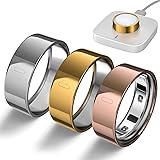
The progression towards more intuitive and integrated human-computer interaction is perpetually pushing the boundaries of technology, often drawing inspiration from science fiction. The Nokia Fit, presented as a conceptual finger smartphone, embodies this futuristic vision by transforming a conventional mobile device into an almost imperceptible, gestural interface. Recalling cinematic depictions where agents merely touch their ear to engage in communication, the Nokia Fit proposes a similar, highly integrated method of interaction. This innovative concept leverages Wi-Fi and Bluetooth connectivity to establish a seamless link with a user’s primary smartphone, thereby extending its functionality into a discreet, wearable format, showcasing advanced wearable technology.
Through this revolutionary device, it is envisioned that a user could control their smartphone entirely via finger gestures, negating the need for direct screen interaction. This haptic and gestural control system would allow for tasks such as navigating menus, answering calls, or initiating applications without ever physically touching the primary phone. Furthermore, the capability to receive and conduct phone calls directly through the Nokia Fit, simply by bringing a finger to the ear, represents a profound simplification of mobile communication. While currently a design concept and not yet commercially available, the Nokia Fit exemplifies the ambitious trajectory of wearable technology towards ultimate convenience and an almost symbiotic relationship with our digital lives. These advanced smartphone robotic gadgets and futuristic concepts are consistently shaping how we envision and interact with the increasingly interconnected world around us, driving forward the realm of personal robotics and smart living.
Smart Answers for Your Robotics Gadget Queries
What are smartphone robotic gadgets?
Smartphone robotic gadgets are innovative devices that combine robotics with mobile technology to simplify daily tasks, enhance home safety, and offer new ways to interact with your surroundings.
What makes the JJRC Crab Drone good for beginners?
The JJRC Crab Drone is an affordable drone that streams live video to your smartphone and features an ‘anti-crash structure,’ which helps protect it from damage, making it ideal for new pilots learning to fly.
How does the Appbot Riley robotic security camera work?
The Appbot Riley is a mobile security camera controlled by your smartphone, allowing it to move around your home to monitor different areas. It offers two-way communication, day and night vision, and streams live video directly to your phone.
What is a major advantage of robotic vacuum cleaners?
Robotic vacuum cleaners automate home cleaning by autonomously detecting and cleaning dust, and they can even wet mop. They also automatically return to their charging dock when the battery is low, ensuring continuous cleaning without manual intervention.